
Facts About ADUs
A recent letter to the editor concerning Accessory Dwelling Units caught my attention for its alarmist tone and raft of inaccuracies. As a licensed general contractor and remodeler, I’d like to share some factual information on the new law why it has changed, and what it does and doesn’t do.
On Aug. 6, 2024, Governor Healey signed the Affordable Homes Act into law (Chapter 150 of the Acts of 2024). One key provision is Section 8 of the Act which amends the existing Zoning Act to allow ADUs to be built “by right” in single-family zoning districts.
This new policy replaces a patchwork of zoning regulations across the state with a uniform law that allows homeowners on single-family lots to add these small units without needing a special permit or variance unless they want to add more than one.
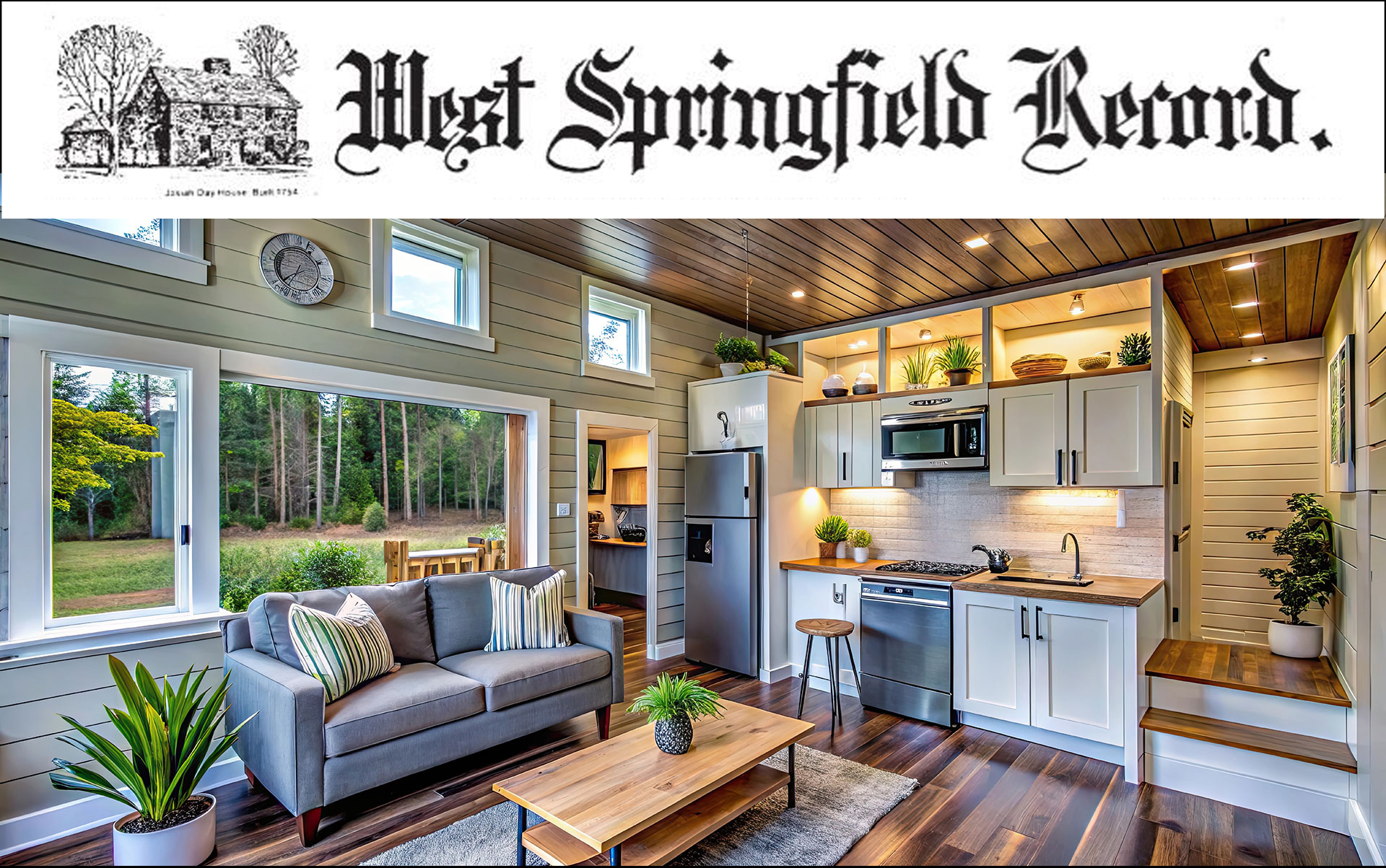
Mass. General Laws c.40A § 1A defines an ADU as a small residential living space located on the same lot as another home. It may be within the main house (attic, basement, addition; “in-law apartment”) or may be in a separate, small building (shed-cottage or tiny home).
It must have its own cooking, sleeping, and bathroom spaces.
It must have its own door to the exterior or to a shared common room with the main house (mudroom or hallway).
It may be up to 900 SF or half the gross floor area of the main house (whichever is smaller). (Gross floor area = listed house square footage).
It CAN share utilities with the main dwelling.
It CAN be used for long-term or short-term rental (provided your town doesn’t restrict all short-term rentals).
It still requires applicable building permits and has to conform to state and local building codes (setbacks, lot coverage, height, egress, etc.). Municipalities may impose their own design and size restrictions (e.g., historical commission, lot coverage, parking)
Towns can NOT require more than one parking space if more than ½ mile from public transportation. Towns can NOT require a space at all if the ADU is within ½ mile of public transportation
Towns may allow more than one ADU per lot.
Why did the law change? Because we have an estimated shortfall of over 200,000 available homes in Massachusetts. Greater supply will ease rent and price inflation.
The new law INCREASES owners’ rights. It is not more authoritarian as some are saying. In fact, it prevents towns from arbitrarily denying property owners’ rights to add living space on their properties.
This means you automatically (by right) can add space for aging parents and avoid the costs of assisted living, or sell your home to your children and retire to an addition or cottage on your property and stay in your neighborhood. You can make some passive income from renting the new space out as well – a welcome revenue source for those on fixed incomes.
Now, let’s do a reality check. Most properties will not be able to install a free-standing ADU as they simply won’t have the lot size and configuration to support it. Additionally, building an ADU is not cheap. The cost will range from well over $100,000 for one within the existing space of a home (over a garage, in a basement) to more like $200,000 for an addition and close to double that for a freestanding structure.
Owner occupancy? Not required. Never has been. You are free to sell your current home and rent it out or own a 2 family with both units rented to strangers so why should an ADU be any different?
Parking? The law does NOT require any new parking spaces. It merely says the town cannot use a requirement for extra parking spaces as an excuse for denying a permit. If parking is currently prohibited on a given street it will still be prohibited.
In short, the law increases property owner rights and helps address the housing shortage and gives families more housing options.
Dave Coyne
Thinking About Adding an ADU to Your Property?
At Home & Hearth Remodeling and Restoration, we’ve been designing and building accessory dwelling units (ADUs) long before they became headline news. From feasibility assessments and 3D visualizations to permitting and full construction, our Design–Build team can help you turn your property’s potential into real living space — for family, flexibility, or added income.
Contact us today to explore what’s possible for your home.